> For the complete documentation index, see [llms.txt](https://docs.scaleflex.com/llms.txt). Markdown versions of documentation pages are available by appending `.md` to page URLs; this page is available as [Markdown](https://docs.scaleflex.com/dynamic-media-optimization-dmo/transformations/image-optimization/operations/trim.md).
# Trim
Image trimming
Removes any single-color padding around the image if present.
The parameter does not specify the amount of border or frame to trim but rather how aggressive the trim algorithm should be. A bigger value of the parameter (e.g. 25) will trim rather more than not enough. Typical values are between 0 and 10.
This allows you to use the same parameter values for all your images.
**trim=X**
{% hint style="info" %}
If the image is resized with the **width** and/or **height** commands, the resizing is performed *after* the border (if present) is trimmed.
{% endhint %}
## Trim gravity
When **`gravity=trim`** is set alongside trim=X (for the [Crop](/dynamic-media-optimization-dmo/transformations/image-optimization/operations/crop.md), [Fit](/dynamic-media-optimization-dmo/transformations/image-optimization/operations/fit.md) or [Cropfit](/dynamic-media-optimization-dmo/transformations/image-optimization/operations/cropfit.md) operations), the focal point is defined depending on the trim result:
* When the image is trimmed on all sides, gravity is set to **center**;
* When no trim has been performed, gravity is set to **smart**;
* If the image has been trimmed on some edges only, the gravity is set to:
* **fit** operation - gravity is set to the edges opposite of the trimmed ones so that the canvas is extended only on the trimmed sides;
* **crop** operation - gravity is set to the trimmed edges so that the image is not cropped anymore on the trimmed edges.
## Whitespace trim
By default, the trim operation removes any solid color regions at the edges. If you prefer to only trim out white (and near-white) and transparent regions while preserving other solid colors, you can add the `whites` instruction to the trim. The intensity parameter remains the same.
**trim=whites,X**
## Examples
| Preview | Syntax |
| --------------------------------------------------------------------------------------------------------------------------------------------------------------------------------------------------------------------------------------------------------- | --------------------------------------------------------------------------------------------------------------------------------------------------------------------------------------------------------------------------------------------------------- |
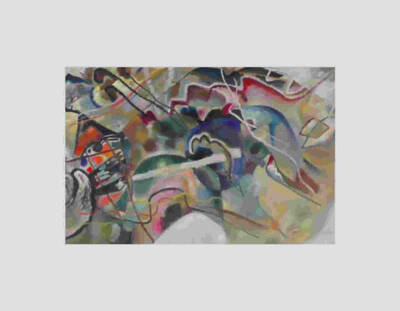
|  | Original image:
/docs/painting\_big.jpg?w=400
|
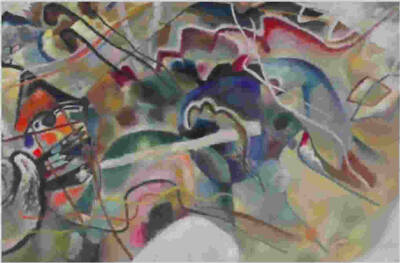
|  | Trimmed image:
/docs/painting\_big.jpg?w=400&trim=10
|
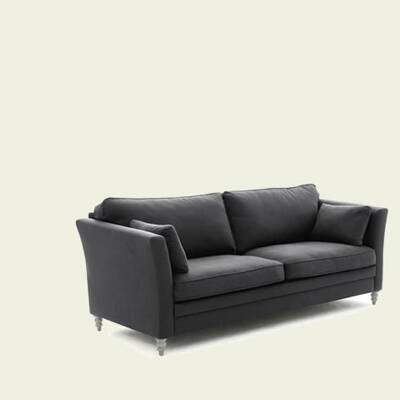
|  | Original image:
/docs/sofa.jpg?w=400
|
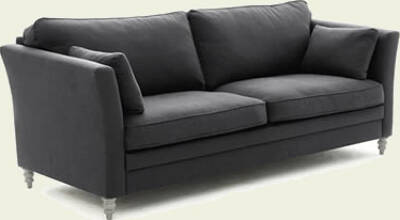
|  | Trimmed image:
/docs/sofa.jpg?w=400&trim=10
|
|  |
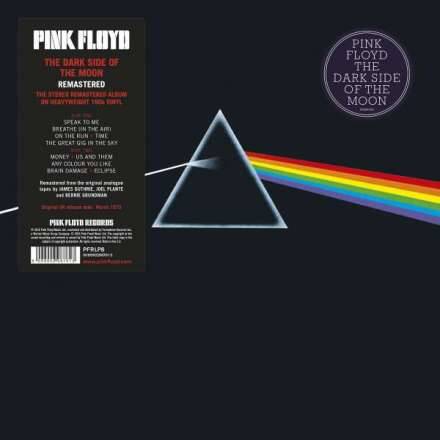
| Original image:
/docs/darkside.jpg
|
|  |
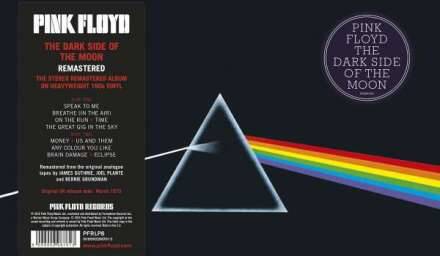
| Wrongly trimmed image:
/docs/darkside.jpg?trim=1
|
|  |
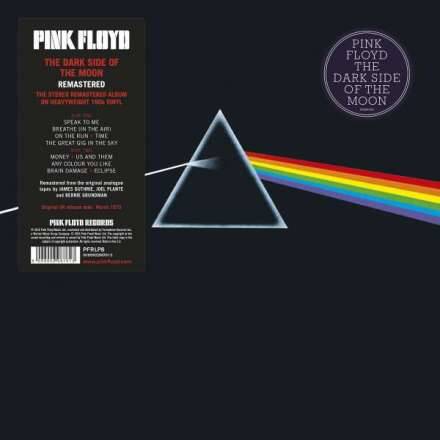
| Trim corrected with "only whites":
/docs/darkside.jpg?trim=whites,1
|